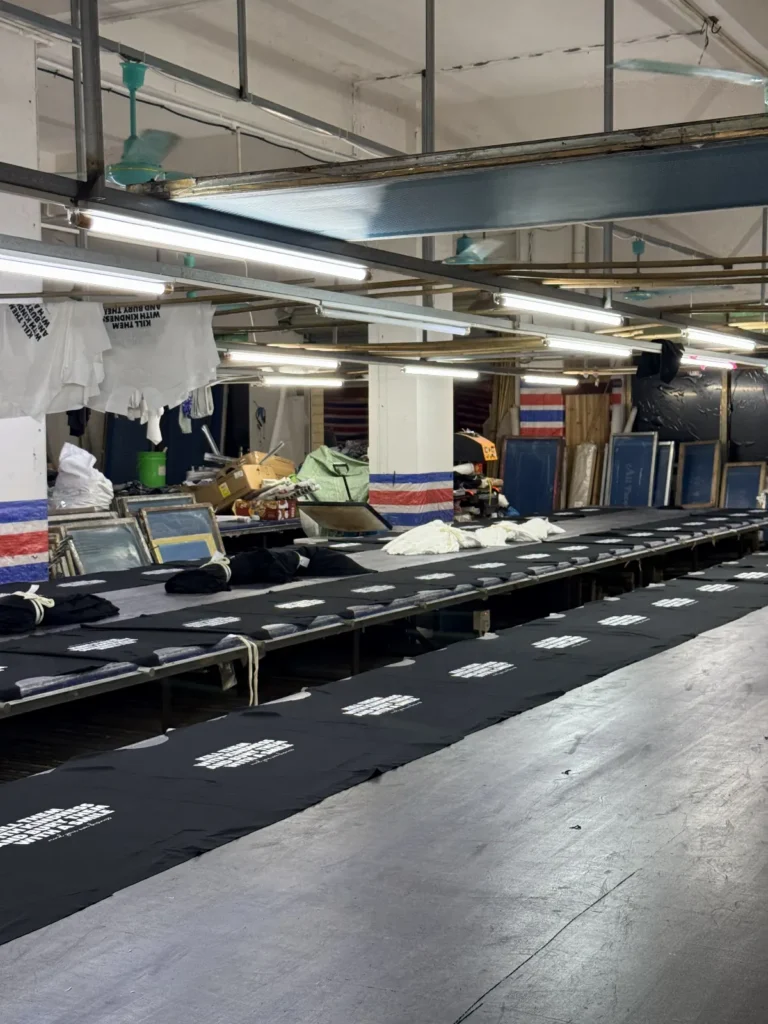
Should a streetwear brand screen print or embroider its next design? The choice affects more than appearance. Artwork scale, garment fabric, placement, hand feel and production setup all shape the result. A large graphic across a T-shirt back is a different problem from a small chest mark on a heavyweight hoodie or a jacket sleeve.
This guide helps buyers choose a decoration method for custom T-shirts, hoodies and jackets, and prepare the information a factory needs for a useful sample and quote. The final method should be confirmed on the actual garment and artwork.
The practical difference
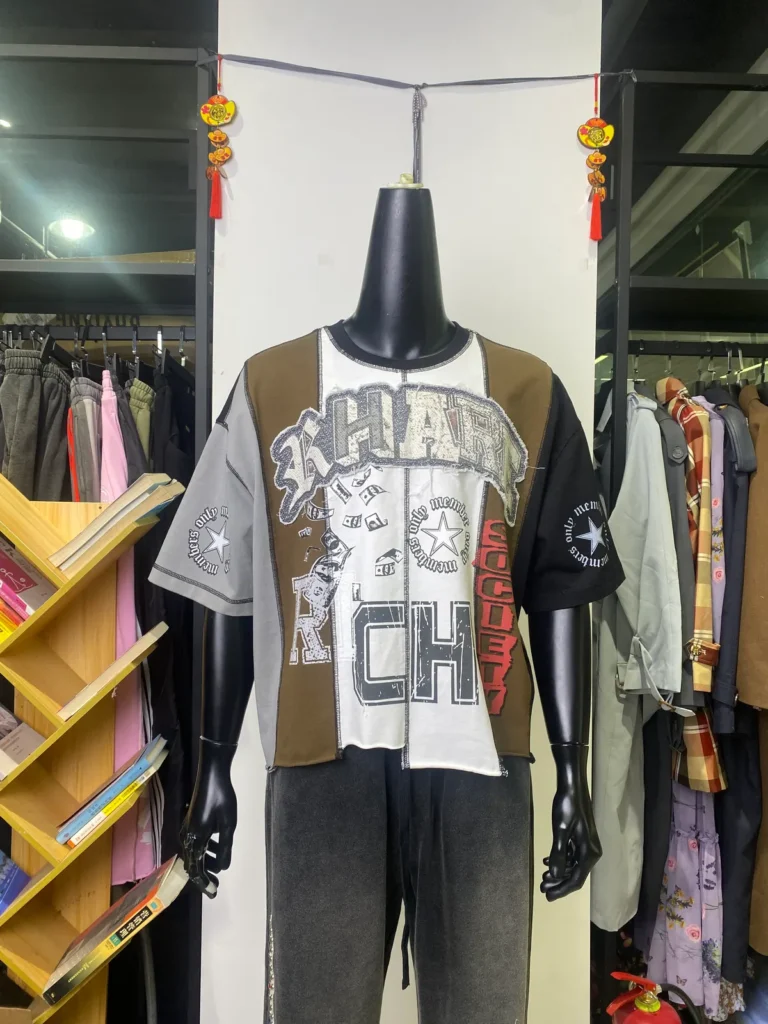
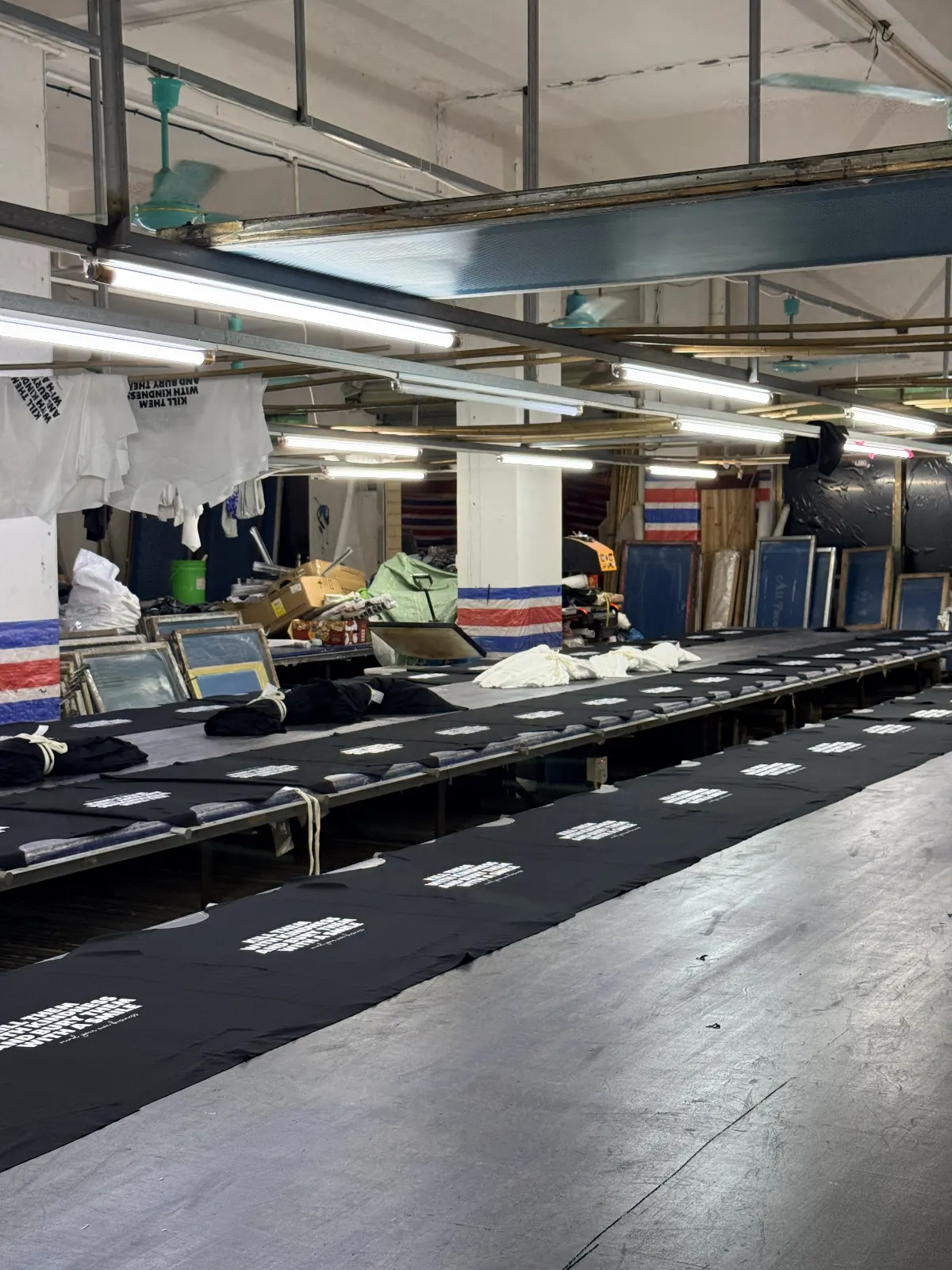
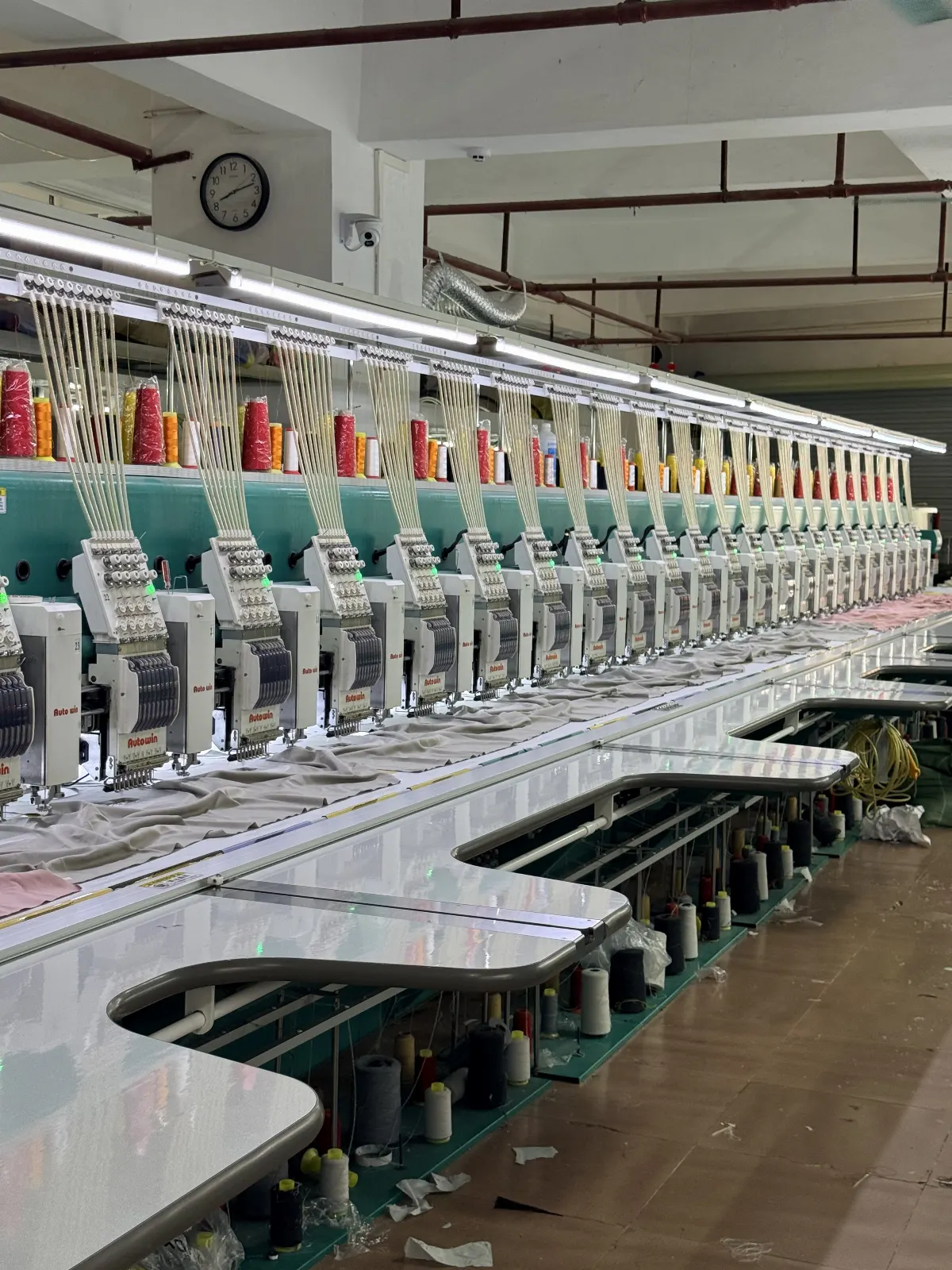
Screen printing transfers ink through a prepared screen onto the fabric. It is often a natural starting point for bold graphics and larger artwork areas. Each printed color needs its own screen or separation in a conventional multi-color process, so color count and artwork preparation matter. Embroidery builds a design with thread stitches. It adds texture and can work especially well for smaller logos, lettering and patches, but stitch density, fabric stability and the backing must be considered.
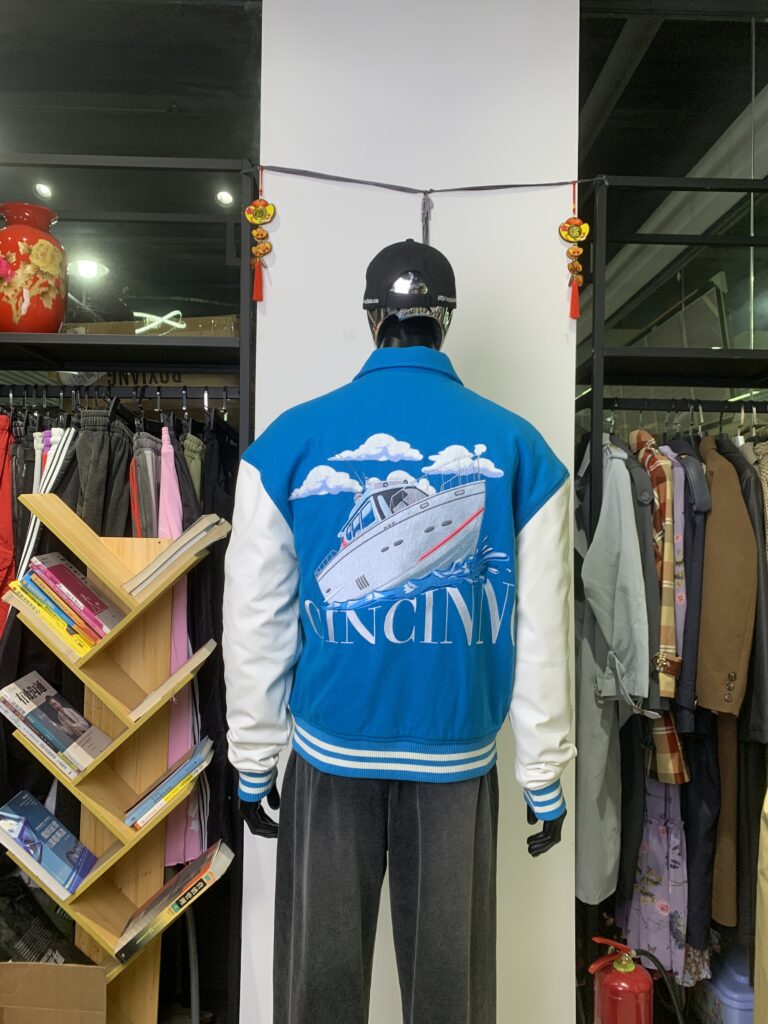
Neither method is automatically more premium. A clean print can be the defining feature of a graphic tee, while a small embroidered mark may provide the right level of detail on a zip hoodie. For a jacket with large artwork, a combination of print, embroidery and appliqué may be more suitable than forcing the whole design into one technique.
Choose by design size and detail
Start with the finished artwork size on the garment, not only the size of the digital file. A large back image, multiple colors or a broad solid area may point toward printing. A small chest logo or defined lettering may suit embroidery. Very fine text, gradients and photographic detail need a separate discussion because the artwork may have to be simplified or produced with another print method.
For screen printing, send a high-resolution or vector file, intended ink colors, finished width and placement. Ask whether the design needs color separations or an underbase on dark fabric. For embroidery, send the logo artwork and desired size, then review how fine lines, small letters and filled areas will translate into stitches. The production team can advise if the file should be adapted before sampling.
Check the garment fabric before approving decoration
A decoration sample should use the intended fabric whenever possible. A light jersey T-shirt, French terry hoodie and structured outerwear fabric do not behave identically under ink or dense stitching. On embroidery, a backing or stabilizer helps support the design, especially on stretch or lighter materials. On print, the ink system, curing and garment surface influence the finished look and feel. If the garment will be washed or garment-dyed after decoration, that sequence must be part of the sample brief.
When choosing hoodie fabric, our French terry versus fleece guide explains the fabric decision behind the garment. If the body, fit and artwork are still being developed together, put them in one streetwear tech pack.
Placement and construction can change the method
Mark the artwork position on a front or back flat sketch. Include the distance from a neckline, hem, seam or other stable reference point. A chest design near a pocket, an embroidered mark across a thick seam or a print that wraps around a side panel may need construction planning. For jackets, some decoration can be easier to complete before the lining or final assembly. Confirm the placement on the physical sample rather than relying on a digital mockup alone.
For example, a custom varsity jacket may combine a small front mark with a larger back motif and sleeve patches. Those elements can use different processes. See our varsity jacket manufacturing guide for the broader material and sampling decisions.
What to inspect on the decoration sample
- Placement: measure the design from agreed reference points and check it on the worn garment.
- Scale: compare the actual width and height with the approved artwork sheet.
- Color: review ink or thread against the approved color reference under consistent light.
- Edges and detail: look for clean print registration, legible small text, tidy stitch borders and any unwanted fabric puckering.
- Hand feel: check whether the print or embroidery weight fits the garment and intended customer.
- Inside finish: inspect embroidery backing and the inside surface of the garment.
- Care test: agree on a practical wash or wear check for the intended product before bulk approval.
Record revisions in one approval message with photos and dimensions. The custom clothing sampling process shows how to keep those decisions aligned before bulk production.
A brief that helps us quote your project
Send the garment type, fabric direction, artwork file, finished decoration size, placement, colors, quantity per style and color, size range, and any reference sample. If you have different designs for different colorways, list them separately. Boxiang OEM’s usual starting MOQ is 50 pieces per style per color, with sizes mixed within that color. Decoration setup and the final price depend on the actual design and garment, so the most useful quote starts with the complete brief.
Frequently asked questions
Can one garment use both screen printing and embroidery?
Yes. Different placements can use different methods. The production sequence and sample should confirm that the combination works on the chosen fabric and construction.
Is embroidery always better for a premium hoodie?
No. The best choice depends on the artwork, the garment and the feel you want. Dense stitching may be unsuitable for a large soft area, while a well-executed print can fit a premium graphic direction.
Do I need production-ready artwork before asking for a quote?
A reference image is enough to begin a conversation. A vector or high-resolution artwork file, intended size and color information will make the decoration quote and sample plan more precise.
Plan the decoration with the garment
If you are developing a custom T-shirt, custom hoodie or varsity jacket, send us the artwork and garment reference together. We can discuss a workable decoration direction and what the first sample needs to prove. Request a project quote when your colorways and approximate quantity are ready.
Further reading: ScreenPrinting.com on screen preparation and color separation; Brother embroidery manual on fabric stabilizers.
Have a question about your own design?
Share your reference, quantity per color and destination. Our team can review the relevant options for your order.
Discuss your projectExplore manufacturing options