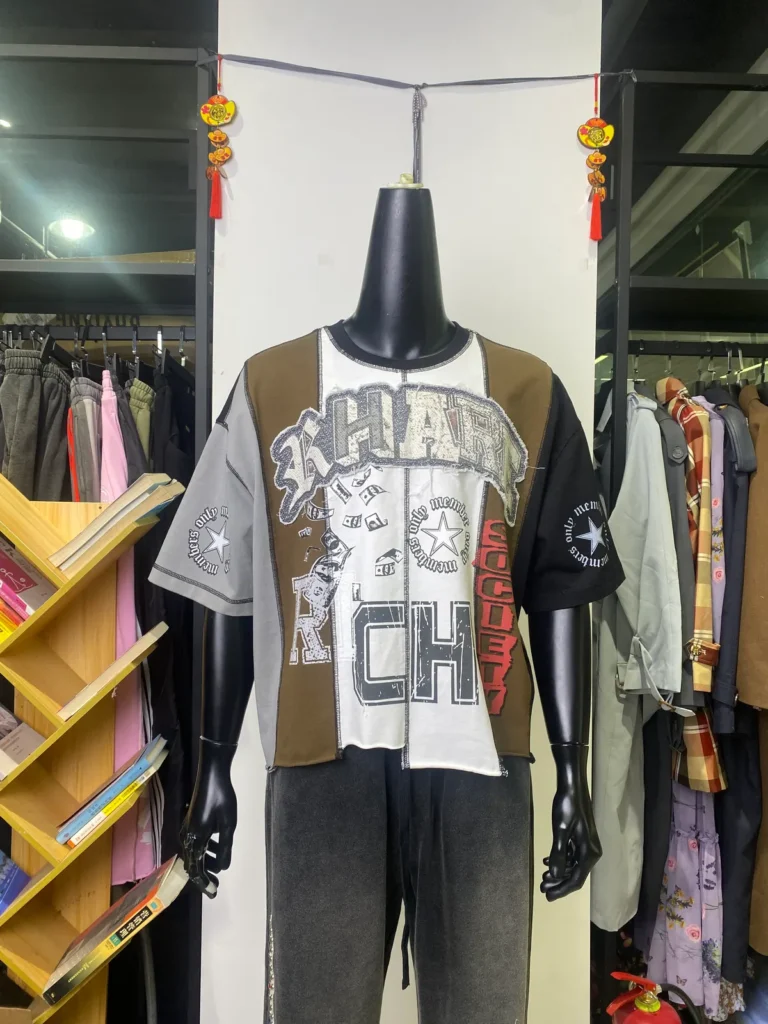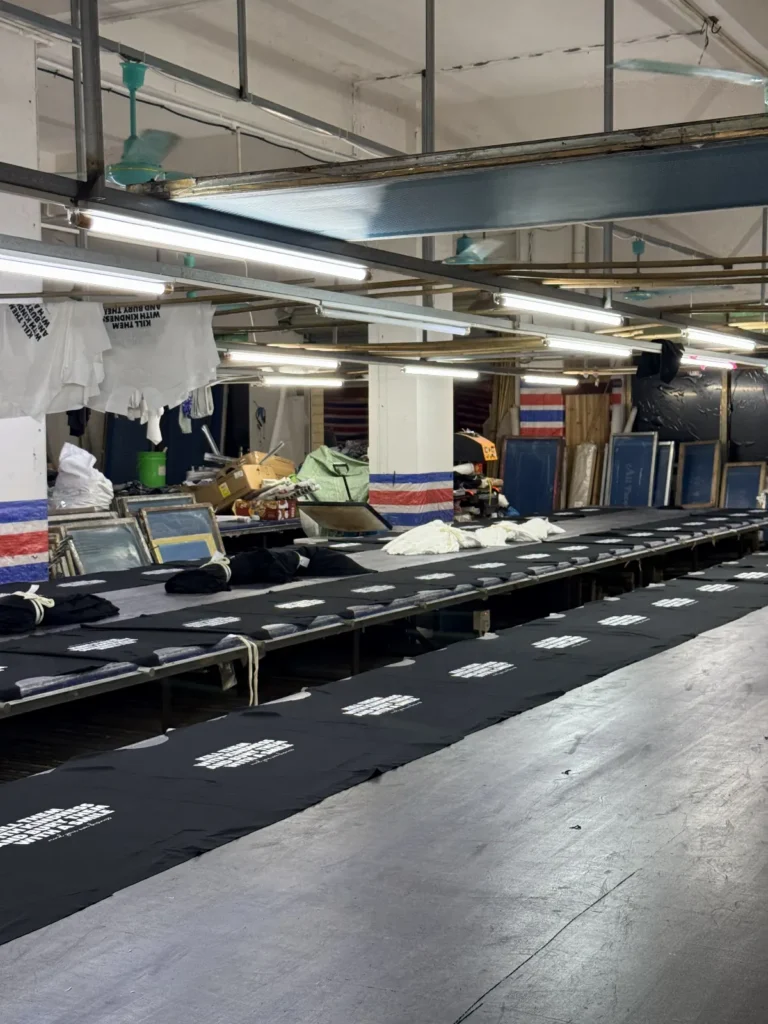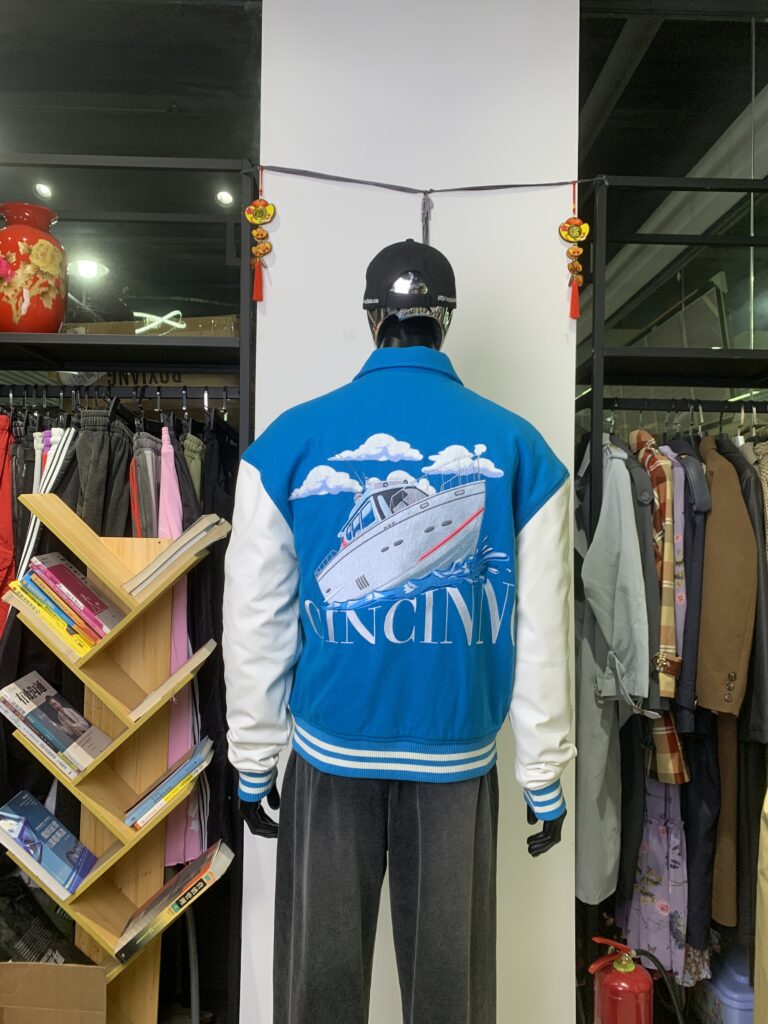
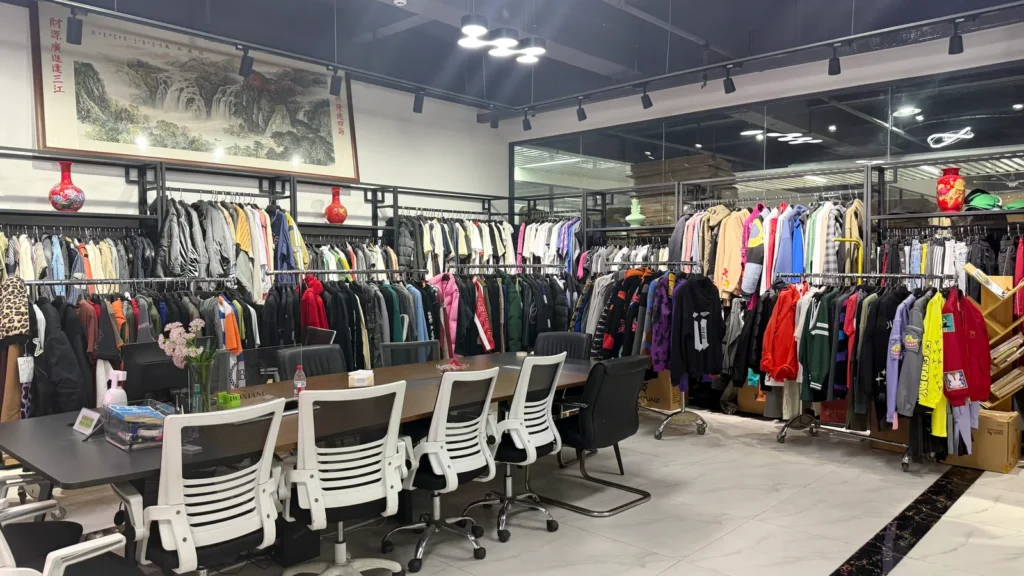
Private label streetwear is more than adding a logo to a finished garment. A useful private-label plan connects the garment, brand presentation and production instructions before sampling begins. For hoodies, T-shirts, pants, jackets, varsity jackets and matching sets, small details such as a neck label, woven hem label, hangtag or packing method affect how a finished order is presented to your customer.
This checklist helps a buyer prepare labels, hangtags and packaging for a custom streetwear order. It is written for brands that are developing a first collection as well as established buyers refining a repeat style. It also explains what to confirm before sample approval, so the factory can quote and plan the right components.
What private label means in custom streetwear
In a private-label program, the garment is made for your brand and can carry your brand identifiers. Those identifiers may include a main label, size label, care or composition label, hangtag, woven badge, printed neck mark, polybag sticker or carton marking. The exact combination depends on the product, sales channel and target market.
It is different from selecting a finished blank garment and only applying a print. A custom program can include a developed body, chosen fabric, artwork, trims and brand details. Not every project needs every element. A simple heavyweight T-shirt may need only an inside neck print and size marking; a premium jacket may need several labels, a branded zipper pull and individual packing instructions.
Start by deciding what must be consistent across your collection. That keeps the identity clear while allowing each style to have its own fit and artwork. If the garment itself is still being developed, begin with a clear streetwear tech pack or a concise project brief.
1. Build a label plan before the sample
Think of labels as a component list, not an afterthought. Put each label on a simple placement sheet with its finished size, material, color, copy and location. A flat sketch with arrows is often enough. The goal is to prevent a woven label being placed on the wrong seam or a neck label being made in the wrong fold.
- Main or brand label: usually at the inside back neck, waistband or another visible brand location.
- Size label: separate or combined with the main label, with the size system clearly stated.
- Care and composition label: content, care symbols or copy required for the intended market should be supplied or confirmed by the buyer.
- Woven hem or side label: a small brand signifier at the hem, side seam, pocket or cuff.
- Printed neck label: a lower-bulk option often used for tees, active pieces and some fleece styles.
For destination-market labeling rules, obtain the current requirements from the appropriate local authority or qualified adviser before production. A manufacturer can apply the approved artwork and placement, but the brand owner should make sure the final legal content is suitable for where the product will be sold.
2. Prepare label artwork that can be produced
A clear label file saves time during sampling. Supply a vector logo when possible, the exact text, brand colors and finished dimensions in millimetres or inches. For woven labels, avoid details that are too fine to weave at the requested size. For printed labels, confirm whether the fabric color will affect the ink appearance.
Include the fold style when it matters: center fold, end fold, straight cut, loop fold or no fold. Also show whether the label should be caught into a seam, stitched on all four sides or sewn only at the top. These decisions influence both appearance and construction time.
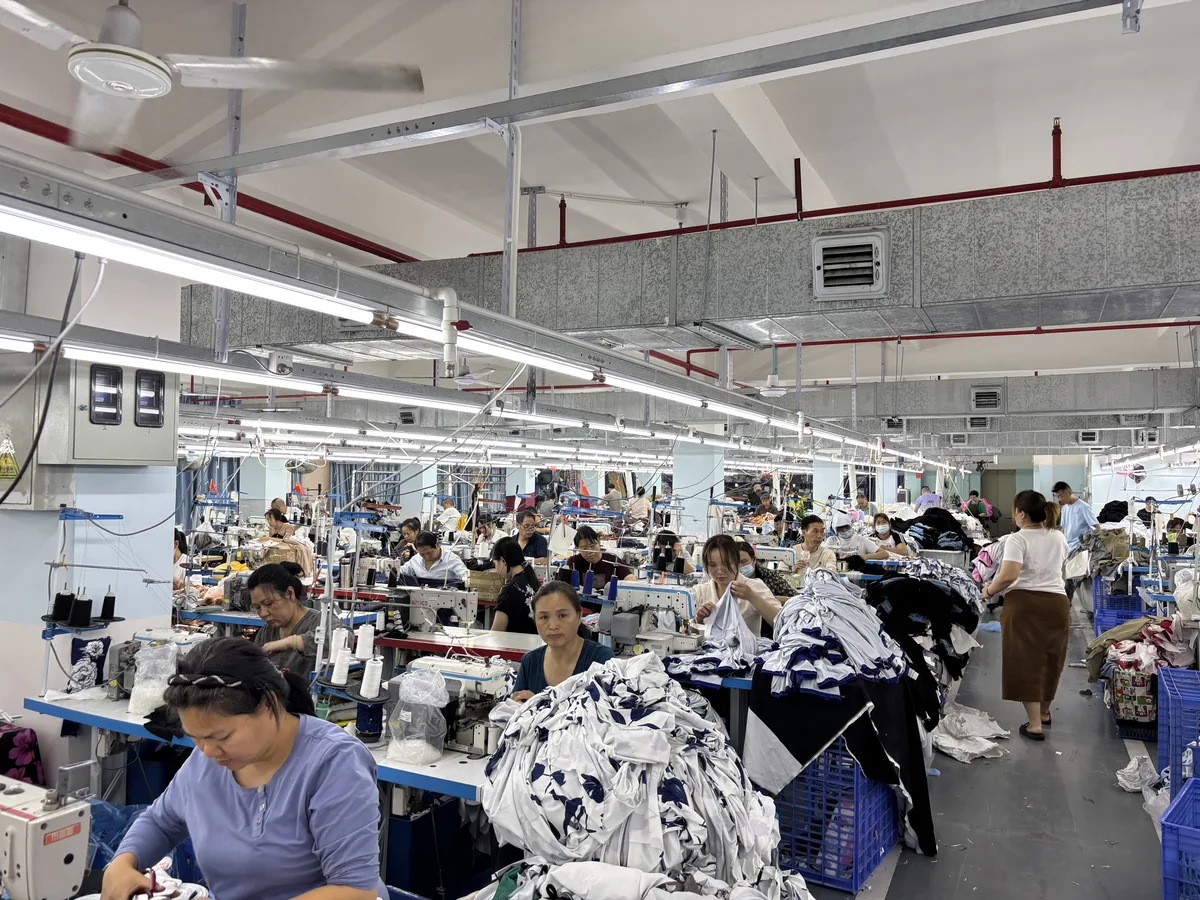
3. Make hangtags useful, not just decorative
A hangtag gives a buyer information at the point of sale and can add perceived value, but it should work with your fulfillment process. Decide whether one tag, a folded card or several pieces are needed. Confirm the stock weight, finish, die-cut shape, hole location, string or fastener, and where it attaches to the garment.
Common hangtag fields include brand name, product name, style code, color, size, barcode area, origin statement and price field. Only include details that have been checked for your channel and market. If a barcode will be used, provide the correct barcode data early rather than adding it after artwork approval.
For a small first run, keep the specification simple and readable. A two-sided tag on a standard stock is often easier to revise than a complicated multi-part tag. When a collection grows, a consistent hangtag template can be reused across styles while the product information changes.
4. Define packaging at the product level
Packaging instructions should state what happens to one garment and what happens to a carton. At the garment level, confirm folding method, polybag or alternative packing, size sticker, warning text if required, tissue paper, inserts and whether a hanger is needed. At carton level, confirm the assortment, carton marking and any retailer-specific label.
Do not assume all products can be packed identically. A thick hoodie, padded jacket and light T-shirt require different fold and volume considerations. If you have a fulfillment partner or a fixed forwarder, ask for their carton limits and labeling preferences before bulk packing begins. It is much easier to plan this before goods are packed.
5. Match private-label details to your order plan
Custom components may have their own production quantities, color tolerances and lead times. Discuss the final brand-detail list while the garment is being quoted, especially when you need unusual materials, custom hardware or several colorways. For Boxiang OEM projects, the usual starting MOQ is 50 pieces per style per color, with sizes able to be mixed within that color. The final proposal should still be based on the actual style and custom details.
A basic sample can generally be planned from confirmed design information and payment of the sample fee; seven days is a typical starting point for a basic style. Bulk production is normally planned after sample approval and deposit, with an indicative 15–30 day window for standard orders. Special construction, fabric development or custom trim can change the timing, so use the confirmed order plan rather than treating any general estimate as a fixed promise.
6. Review the sample with the finished brand details
When possible, ask to see the actual labels, hangtags and packing method together with the sample. Checking each item separately can miss practical issues: a neck label may scratch, a side label may be too visible, a hangtag string may mark a delicate fabric, or an oversized insert may not fit the fold.
- Check spelling, capitalization, logo spacing and color against approved artwork.
- Check label placement from the outside and inside of the garment.
- Check size marking against the size chart and garment measurement.
- Check hangtag attachment does not damage fabric, embroidery or print.
- Check the folded garment and packing presentation with actual components.
- Record any revision in one approval message before bulk production starts.
A practical private-label checklist
Before requesting a quote or beginning a sample, send the factory the following:
- Product type, fit direction, colorways and quantity per color.
- Reference images, flat sketch or tech pack.
- Logo files and label/hangtag artwork in editable or high-resolution format.
- Label list with material, dimensions, fold and placement.
- Hangtag specification and attachment method.
- Individual packing, carton marking and delivery requirements.
- Target market and any approved copy the product must carry.
- Your expected sample and delivery window.
If some details are still open, say so clearly. A factory can then propose workable options instead of making assumptions. The same disciplined brief helps during the custom clothing sampling process and reduces avoidable changes before bulk production.
Frequently asked questions
Can I use private labels on a 50-piece order?
It depends on the label type and supplier requirements. Share the intended components with the inquiry so the factory can confirm practical options and costs for the specific project.
Do I need a complete tech pack before asking about labels?
No. A logo file, reference garment or visual brief is enough to start a conversation. A more complete tech pack makes it easier to confirm dimensions, placements and sample expectations.
Who handles shipping cartons and freight?
Carton packing can be planned as part of the order. Freight can be quoted separately through a forwarder, or you can use your own nominated forwarder. Confirm the shipping arrangement before goods are ready to dispatch.
Plan your next private-label streetwear order
A well-prepared private-label file turns brand details into clear production instructions. Whether you are launching a single hoodie or a coordinated collection, begin with the product brief, the label plan and the packing requirements together. When you are ready, request a custom clothing quote with your references and requirements, and the team can review the next workable step.
Have a question about your own design?
Share your reference, quantity per color and destination. Our team can review the relevant options for your order.
Discuss your projectExplore manufacturing options