
Choosing fabric for a custom streetwear hoodie is not simply a choice between “lightweight” and “heavyweight.” The inside texture, silhouette, intended season and decoration all belong in the same decision. Two fabrics can look similar in a product photograph yet feel very different when worn.
This guide compares French terry and sweatshirt fleece and gives brand owners a practical brief for discussing fabric with a manufacturer. It is designed for custom hoodies, sweatshirts and matching sets—not as a specification for any particular product in our gallery.
French terry vs fleece: the short answer
French terry has visible, unbrushed loops on its reverse side. Sweatshirt fleece has a brushed or napped interior. The finishing of that inner surface is a key distinction; neither name, by itself, specifies fiber composition or fabric weight. CottonWorks describes French terry as an unnapped fleece construction and distinguishes two-end and three-end fleece structures. See its technical guide to single and double knits.
| Question | French terry | Sweatshirt fleece |
|---|---|---|
| What is inside? | Unbrushed loops. | A brushed or napped surface. |
| First sample to request? | A swatch showing both the face and loop side. | A swatch showing the face and finished inner surface. |
| Does the name specify cotton content? | No. Confirm the composition separately. | No. Confirm the composition separately. |
| What should decide the purchase? | The approved fabric and finished garment. | The approved fabric and finished garment. |
A useful starting point is to compare an unbrushed option for a loopback feel with a brushed option for a softer inner surface. Treat this as a sampling direction, not a universal rule about seasons, warmth or quality. Ask for both options if you are uncertain.
Start with your customer and the intended silhouette
Before choosing a fabric code, write down how the hoodie should be worn. Is it a relaxed everyday layer, a structured oversized statement piece, or part of a matching tracksuit? Will the customer wear a T-shirt underneath, or layer it under an outer jacket? These questions give the sampling team a more useful direction than “premium fabric.”
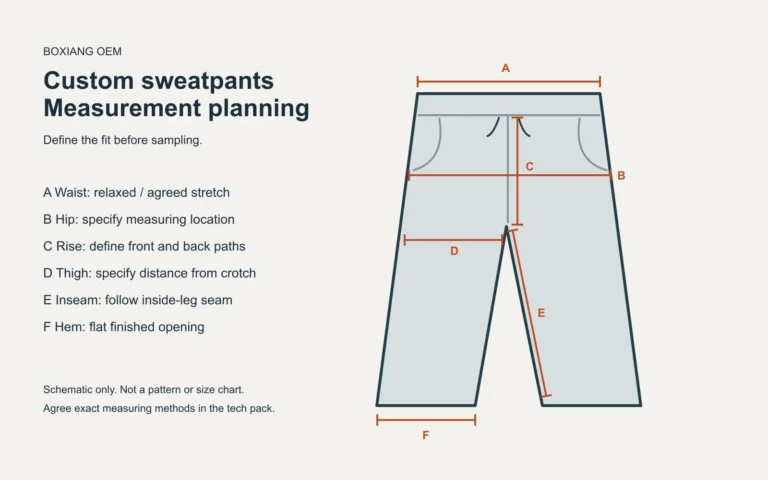
Describe the desired shape in measurable terms: body width, shoulder position, sleeve volume, body length and hem opening. Include front, back and side references. If you want the hood to sit upright, say so; if you prefer a softer drape, show that as well. Ask the manufacturer to propose fabric options against this complete brief.
For a matching set, approve the hoodie and pants together. Check their color relationship, surface appearance and overall proportions rather than approving two isolated garments. Explore our custom hoodie manufacturing options for starting silhouettes.
How to discuss GSM without choosing by weight alone
GSM means grams per square meter: fabric mass per unit area. It is a useful specification, but it is not a complete quality score. Do not assume that a larger number will automatically produce the fit, finish or feel your brand needs.
If you already have a reference garment, send it or describe what you want to change. Request two or three available swatches with their stated composition and GSM. Compare them in your hands, then select a candidate for a full garment sample. If you have no weight target, let the manufacturer suggest a starting range based on your reference rather than guessing an exact number.
- Ask whether the quoted GSM relates to the fabric before or after the proposed finish.
- Record the supplier’s fabric identifier alongside the composition and weight.
- Confirm which fabric will be used in the actual sample and bulk order.
- Agree any required weight tolerance before production instead of relying on a vague “heavyweight” label.
Specify composition, color and finishing separately
“French terry hoodie” or “fleece sweatshirt” is not a complete purchase description. Your approved specification should also identify fiber composition, color reference, surface finish, rib requirements and any wash treatment. For an unusual color or finish, ask about material availability before setting your launch date.
If you prefer all-cotton or a cotton blend, make that preference explicit and review the options offered. Do not infer composition from softness or a photograph. Likewise, specify whether the garment should have a clean appearance, a washed look or another finish, and request a sample made using the intended process.
Boxiang can discuss commonly available market fabrics and source alternatives beyond the materials shown in our current catalog. Availability, color minimums and suitability are confirmed for the individual project; a garment reference does not guarantee that its exact fabric is currently in stock.
Plan printing, embroidery and washing with the fabric
Share your artwork before finalizing fabric. Include artwork dimensions, placement, color references and the effect you want. A small chest logo and a large back graphic are different sampling tasks, even when they appear on the same hoodie shape.
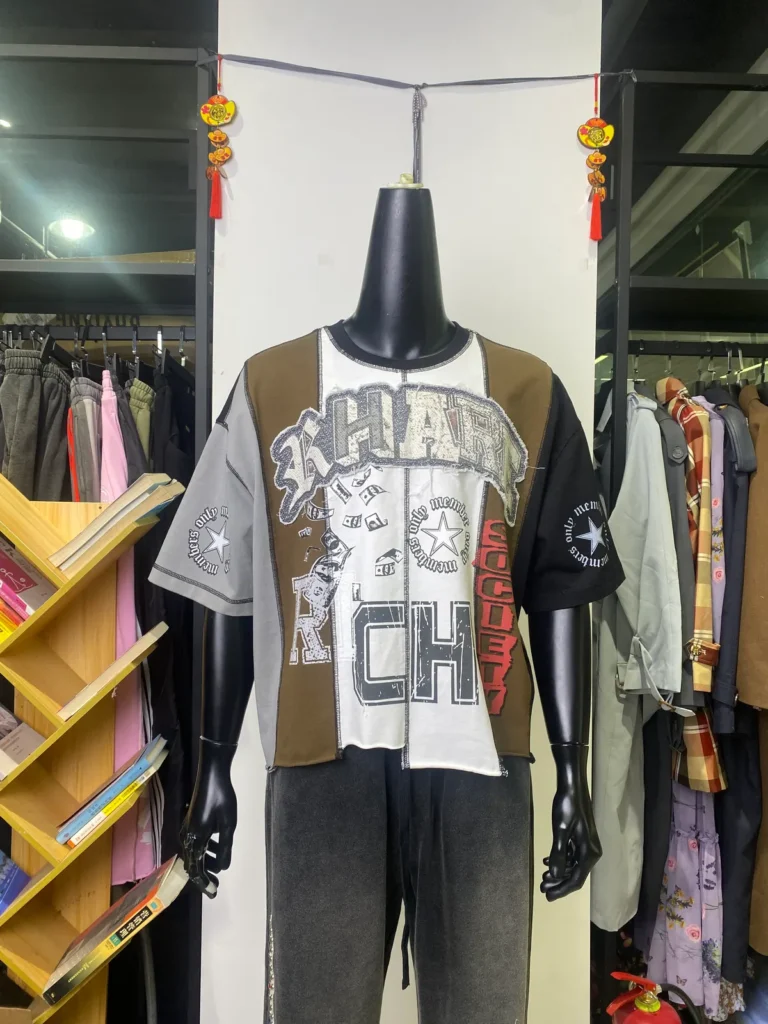
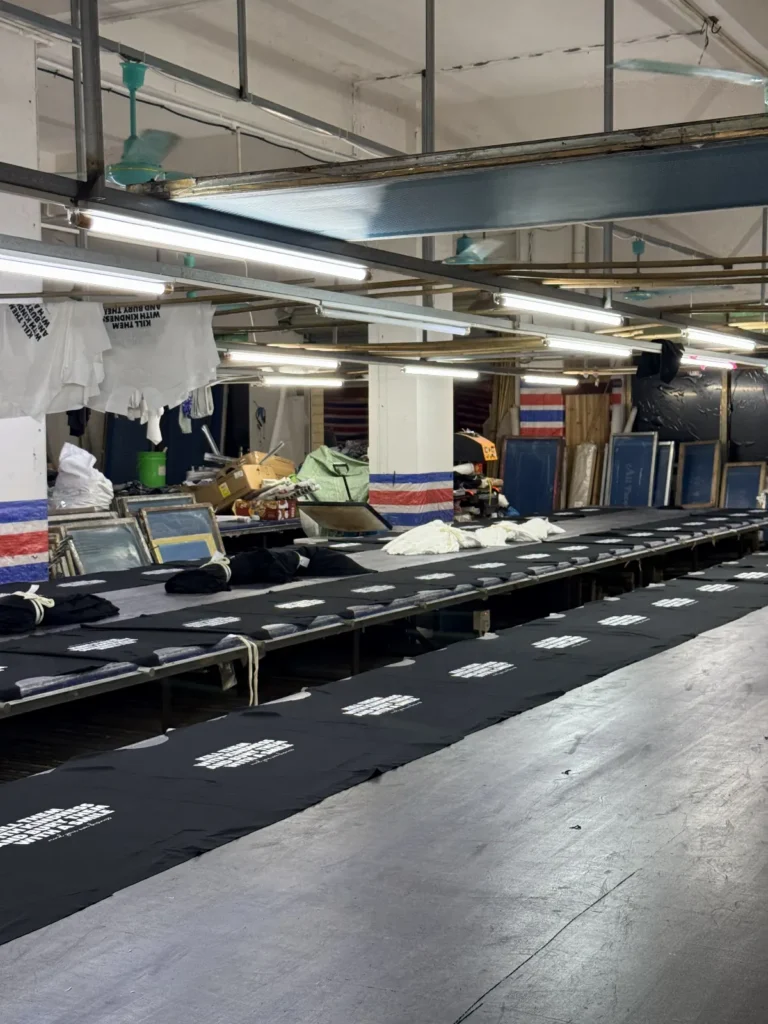
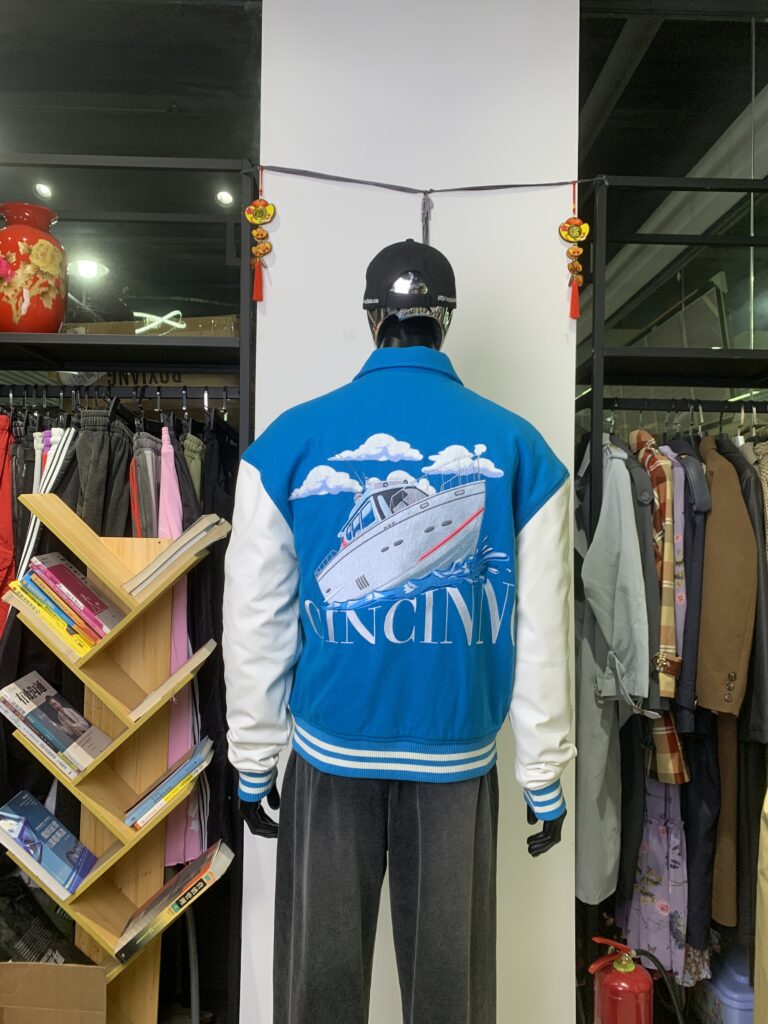
For embroidery, review the actual stitched sample for puckering, edge definition and the feel of the backing against the body. For printing, inspect detail, placement and appearance after the agreed care procedure. If a wash treatment is part of the design, ask to review the finished garment rather than only an undecorated fabric swatch.
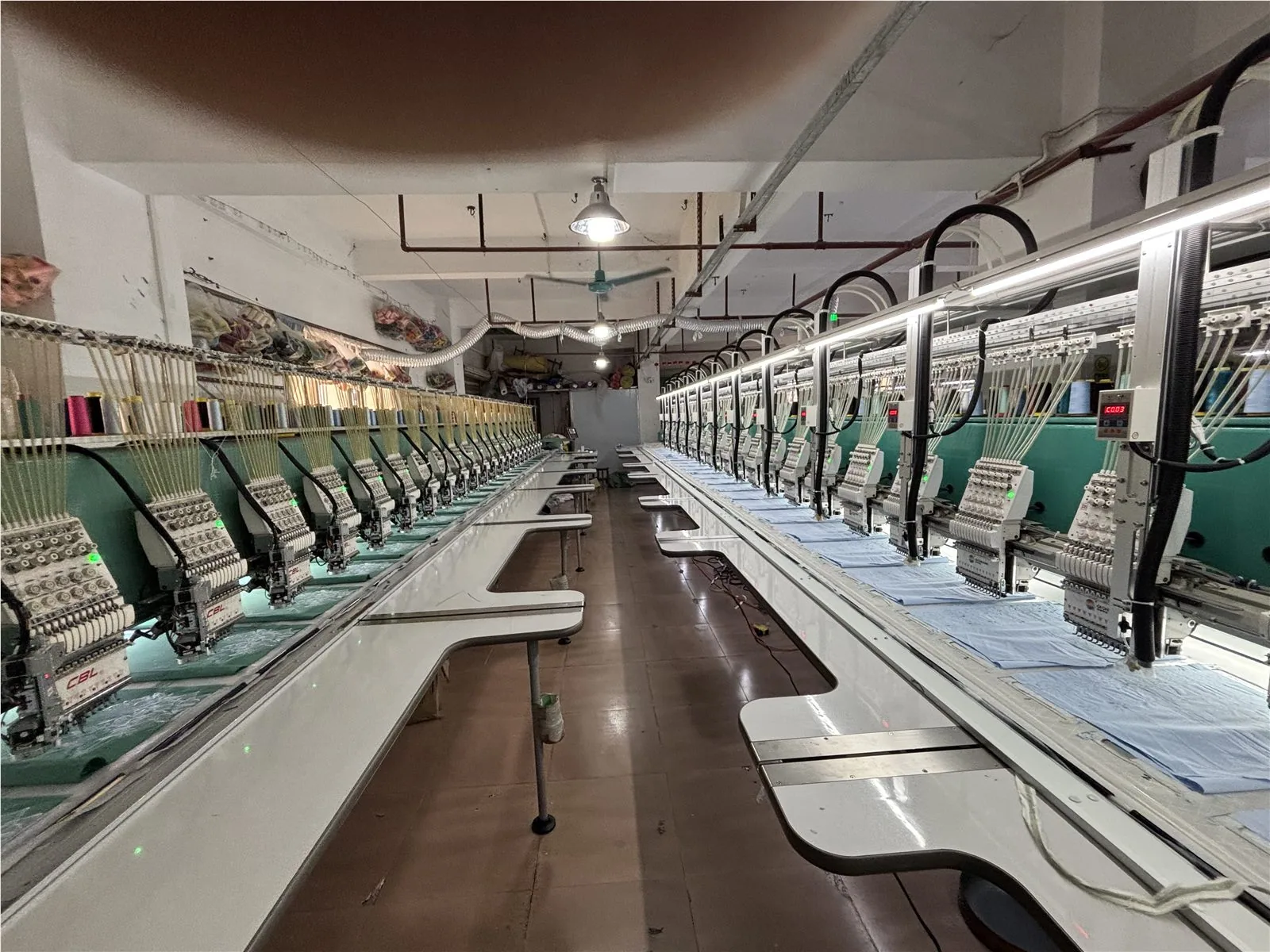
Keep one clear approval record for the fabric, artwork and finishing combination. A change to one of these after approval should trigger a discussion about whether another sample is needed. See our customization capabilities for the types of details to include in your brief.
A practical hoodie sample approval checklist
Do not approve a hoodie only because its first photograph looks good. Keep the garment, the specification and an approval checklist together. CottonWorks explains that dimensional change can affect fit, seams and the relationship between body fabric and trims; construction and processing both matter. Its shrinkage and skewing guide provides the technical background.
- Measurements: record body length, chest width, sleeve length, shoulder width and openings against the approved size chart.
- Inside and outside: inspect both fabric surfaces and confirm that the inner texture matches your selection.
- Hood and neckline: check the shape on a wearer, the opening and the way the hood sits.
- Rib and trims: review cuffs, hem, drawcords, zippers and labels for the intended appearance and fit.
- Decoration: verify artwork scale, positioning, colors and the feel of printed or embroidered areas.
- Care check: agree washing and drying conditions, record before-and-after measurements and review appearance after care.
- Approval record: list accepted details and requested corrections in writing, with dated photographs.
Agree measurable acceptance criteria with your supplier. Avoid promises such as “zero shrinkage” or “never pills” without an appropriate test basis. If your customer or retail channel requires laboratory testing, discuss the test scope, method, costs and required documents before bulk approval.
MOQ and timing: build them into your fabric decision
Boxiang’s garment MOQ starts at 50 pieces per style, per color. Sizes can be distributed within that color quantity. For example, one hoodie style in black and gray starts at 50 black pieces plus 50 gray pieces—not 50 pieces shared between both colors. Read our streetwear MOQ guide for more planning examples.
A garment MOQ is not a promise that every custom fabric or special color is available at the same minimum. Ask us to check your fabric request before confirming the purchase. An available alternative may be worth comparing if a special material requirement does not match your initial order size.
Basic sampling is approximately seven days after the sample fee is paid and complete design information is confirmed. Bulk production is generally 15–30 days after sample approval and receipt of the deposit. Complex styles or processes may require longer; the schedule is confirmed for your order. Allow time for sample shipping, review and corrections in your launch plan.
What to send for a useful fabric recommendation and quote
You do not need to arrive with a fully resolved fabric specification. A focused brief is enough to start a productive discussion. Send the following information through our project inquiry form:
- Hoodie or sweatshirt reference, with front and back views.
- Desired fit and size measurements, or a reference garment you can provide.
- Preferred inner texture: loopback, brushed, or options to compare.
- Composition or GSM preferences, if known; otherwise describe the desired feel.
- Colors, quantities per color and proposed size breakdown.
- Artwork, decoration placement, labels and packaging requirements.
- Destination and target delivery date, including whether you use your own freight forwarder.
Ask the quotation to identify its fabric assumptions and separate product costs from shipping arrangements. That makes competing proposals easier to compare. Our team normally replies within 12 hours; final material choices and pricing depend on the confirmed design brief.
Frequently asked questions
Is French terry always lighter than fleece?
No. The fabric name alone does not specify GSM. Compare the stated weight and the actual swatches rather than treating the two names as fixed weight categories.
Which option is better for an oversized streetwear hoodie?
Either can be considered. Define your desired silhouette first, then review a garment sample using the proposed fabric. “Oversized” needs a measurement chart, not just a fabric selection.
Can I use a product photo as my fabric specification?
Use it as a visual reference, but confirm material separately. Photos do not establish composition, GSM or the inside finish. Our washed pullover hoodie reference can help communicate a style direction; its final fabric is agreed for the custom order.
Can I request fabric options before approving bulk production?
Yes. Tell us the options you want to compare so we can discuss availability and sampling arrangements. Bulk production starts after the sample is approved and the deposit is received, not while the material choice is still unresolved.
Bottom line: choose an approved fabric-and-garment combination, not just a material name. A clear brief, representative sample and written approval record give your custom hoodie project a stronger starting point.
Have a question about your own design?
Share your reference, quantity per color and destination. Our team can review the relevant options for your order.
Discuss your projectExplore manufacturing options